AI ‘vibe coding’ hacks strip ads and bloat from smart TVs
Developers and ‘vibe coders’ are using AI agents to strip sponsored ads, bloatware, and tracking from smart TVs. Their shared goals are to speed up the app launcher, redesign the home screen, disable tracking features, and stop unrequested updates. Two projects illustrate the trend. The GitHub project dumbtv describes its mission as: ‘Your TV should do what you paid for: your apps, your HDMI inputs, and nothing else. No ads from the TV itself, no watch tracking, no update you did not ask for.’ Another project, cleanyourtv, promises to strip bloatware from any Android TV or Google TV over Wi-Fi and replace the launcher with one that resembles Apple TV. Hacking consumer electronics for more control is hardly a new idea, but recent advances in AI make these efforts far more accessible to non-specialists.
The timing matters because smart TVs ship with a technology called Automatic Content Recognition (ACR), which identifies what is playing on screen using screenshots, audio clips, or other forms of digital fingerprinting. If ‘dumb TV’ hacks become popular among everyday consumers, they could disrupt the smart TV ad industry, which profits from selling viewing data to advertisers or using it to display personalized ads on TV interfaces.
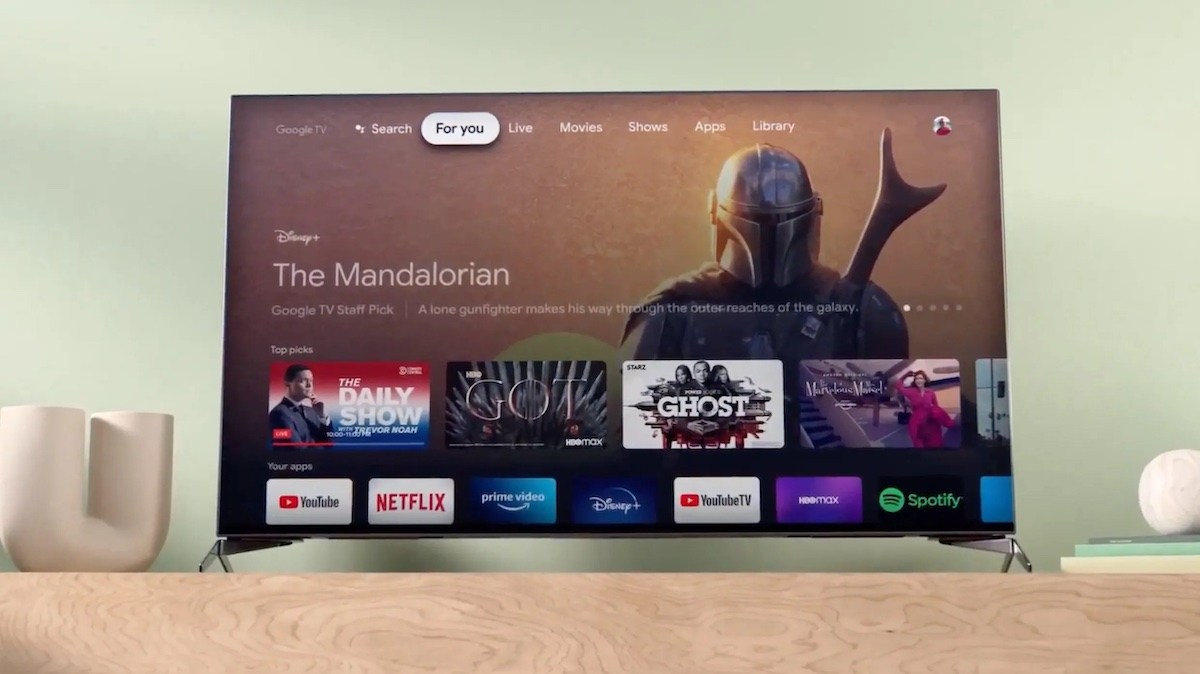
cleanyourtv‘s creator, Gathin T., said the idea started one afternoon when he got tired of seeing ads on his parents’ TV set. In the tweet that went viral, he wrote that he ‘vibe coded’ the TV because it was showing a sponsored ad before you could even get to Netflix, and that he ‘gave Claude Code the model number, it found the TV on wifi, removed 25 Xiaomi packages and wrote a new launcher.’ He later described having Claude Code clean it up over Wi-Fi and build a simple home screen with just their apps on it. After putting the prompt on GitHub and tweeting before-and-afters, a few thousand people did the same to their own TVs over the next two days, reportedly including Xiaomi, TCL, Sony, Fire TV, LG, and a projector or two. The solution does not require root access, and users can still return the TV to its factory default state.
The dumbtv project has been tested end-to-end on a Fire TV Edition set and on Android/Google TV platforms from Sony, TCL, Philips, Hisense, Xiaomi, and Shield. Its developer suggests pointing your preferred AI agent at the dumbtv repository on GitHub. Users do not have to borrow someone else’s work, though. In one newly viral X post, Ryan Doyle explained that he sent Claude Code the listing for his TV and asked ‘can you hack this?’ The agent talked him through removing ads and bloatware, speeding up the lagging user interface, and customizing his screensaver, and he posted a video showing the responsiveness of the new interface. Another X user, Mihir Gupta, was inspired to try it himself, reporting that ‘one afternoon with Claude Code: 25 bloat apps disabled, the 192 MB stock launcher replaced with a custom 83 MB one, plus rotating wallpapers.’
The results are mixed, however. Some people found Claude would not respond to simple prompts to ‘hack my TV,’ requiring more complex prompts. Others warned that AI agents could disable important packages or break things. One person said they bricked their Android TV using Claude, and another got stuck halfway through hacking a Fire TV. All these solutions are works in progress, with users testing them across TV platforms and suggesting updates and fixes. For those wary of AI-driven hacks, existing home screen replacements for Android-based smart TVs include ATV Launcher, Projectivity Launcher, and FLauncher.