AI model pricing reveals the end of unsustainable subsidies
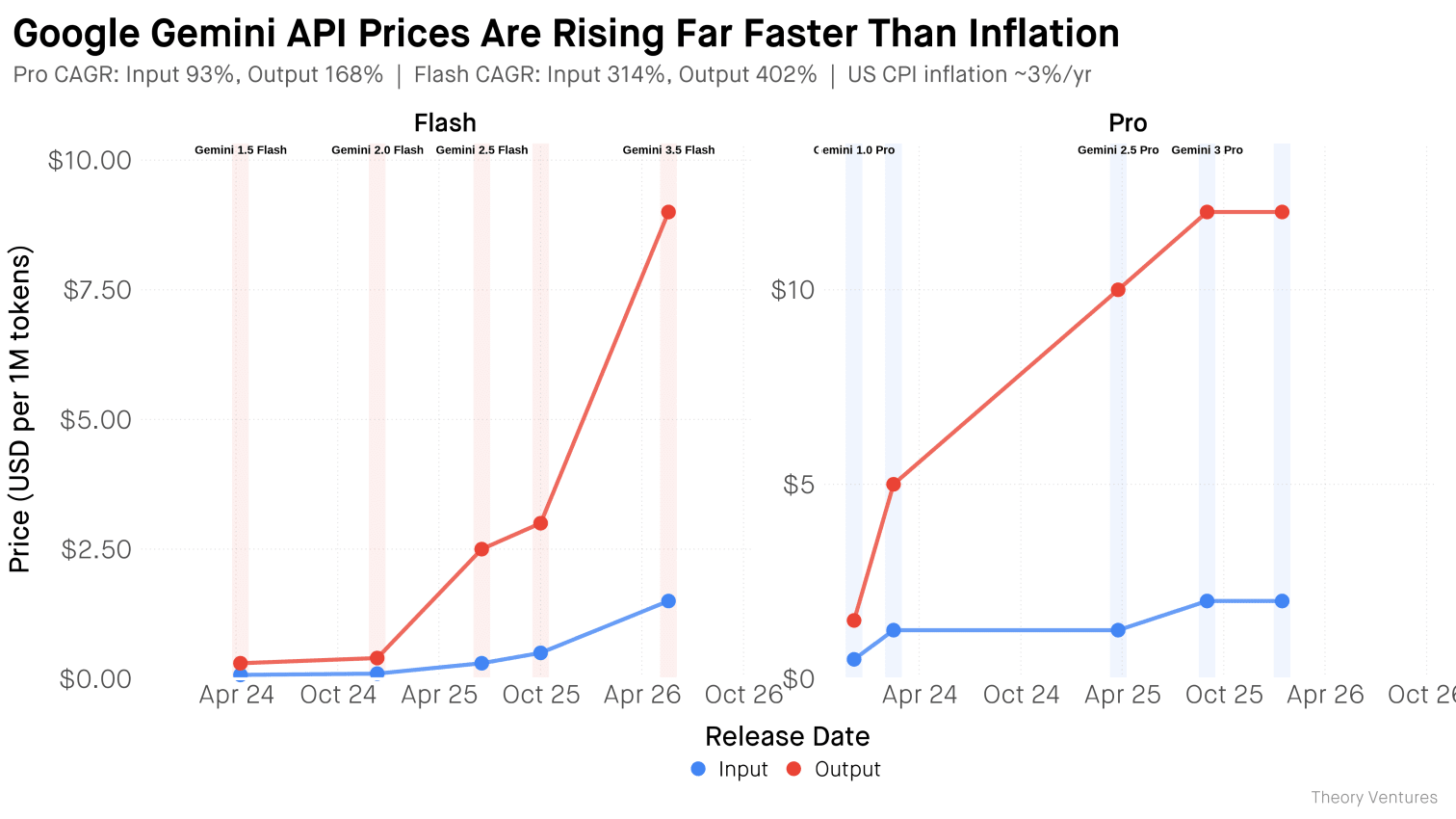
The AI model market shows three very different pricing strategies from the major vendors, revealing a deeper tension: the cost of running frontier AI models is growing faster than the willingness to subsidize them. Google‘s Gemini 3.1 Pro is priced at $2.00/1M input and $12.00/1M output, while Anthropic‘s Claude Opus 4.7 costs $5.00 and $25.00, and OpenAI‘s GPT-5.5 sits at $5.00 and $30.00. These numbers expose the raw economics behind the consumer-facing products.
Pricing changes signal strategic pivots. Cuts happen when cash is abundant and gaining share is the priority. Increases happen when margins become critical, which is the current reality for all three companies amid record capital expenditure spending. Google remains the low-cost player at less than half the price of its rivals, even after raising prices across its lineup. Anthropic long maintained a luxury pricing posture but cut late last year. OpenAI appears to have subsidized its flagship model early, then raised prices.
The serious takeaway is that the AI model race is entering a consolidation phase. The unsustainable subsidies are ending, and pricing is converging toward the true cost of inference at scale. Builders should expect narrow margins and increasing pressure to demonstrate unit economics. The strategic advantage now lies not just in model quality, but in who can deliver capability at tenable cost.