AI Is a Poor Ghostwriter but a Great Editor
In the current era of AI-generated content, readers have become skeptical detectors of authenticity, often scrutinizing text for telltale signs of machine authorship. The author describes developing deliberate stylistic choices—such as using the ampersand, neologisms, and unconventional punctuation—as a way to embed a personal voice that resists AI replication. This is not merely a defensive tactic but a conscious effort to preserve sincerity in writing when AI tools are ubiquitous.
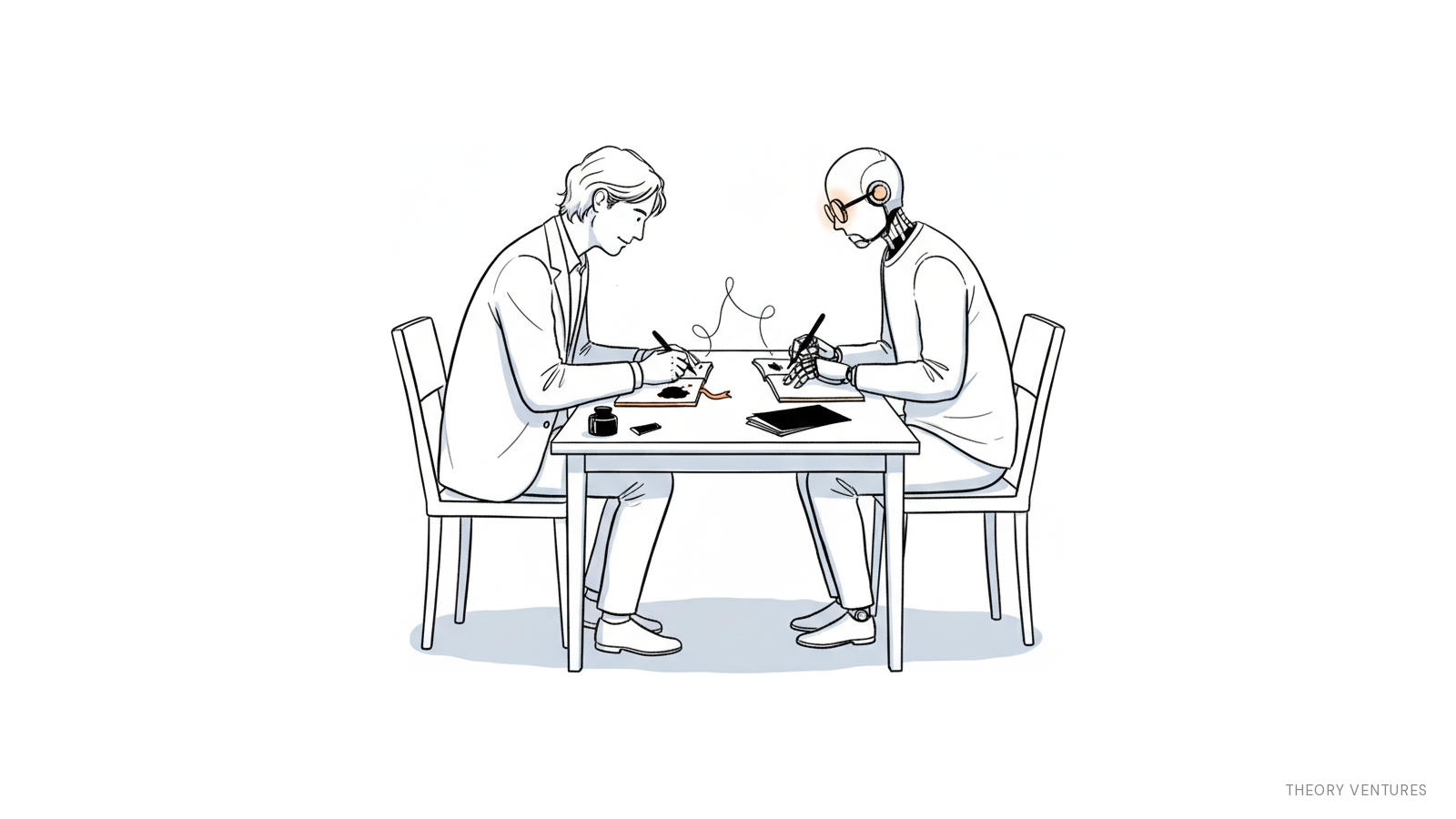
The author reflects on having employed a human editor in the early 2010s to sharpen prose, noting that a good editor suppresses their own voice to amplify the writer’s. In contrast, when AI is used as a ghostwriter, it imposes a homogenized statistical average of language, erasing individuality. The core problem is not that AI writes poorly, but that its output tends toward a generic style shared by millions of users, making all AI-assisted text sound alike. Readers, in turn, become hyperaware of this uniformity.
The piece advocates for using AI primarily as an editor rather than a ghostwriter. An AI editor can enforce consistency, correct errors, and suggest improvements while leaving the author’s fundamental voice intact. The author explicitly states: “AI is a poor ghostwriter, but a great editor.” The practical insight is that writers should leverage AI’s strengths—pattern recognition, grammar checking, stylistic consistency—while resisting the temptation to outsource the creative core. The piece concludes by emphasizing that authenticity now requires active work: embedding personal quirks, irregular structures, and deliberate idiosyncrasies that AI models are trained to smooth away.