AI execs may be too out of touch to build for the general public
Marissa Mayer, former Yahoo CEO and early Google engineer, is drawing criticism for how she uses her new AI app Dazzle, an assistant that learns from a user’s camera roll. In an interview, Mayer described how Dazzle helped her produce three bullet points about her ten-year-old daughter — “empathetic, creative, and an animal lover” — for a school birthday presentation. Critics called the description generic, and progressive activist Leah Greenberg said Mayer’s willingness to share this shows how far Silicon Valley culture has diverged from the rest of humanity. Mayer later defended herself on X, saying she was testing the prototype rather than relying on it to explain her child, and that it resurfaced forgotten kindergarten projects like a “snake devenomer” or “sandcat playground.” Still, she also suggested people might use her AI to outsource the mental load of “figuring out the theme for your child’s birthday party,” plan playdates, book family activities on vacation, and decide what to be for Halloween, and proposed that her AI assistant could coordinate plans with her husband’s AI assistant. When asked if the “frictionless future… planned by AI” was depressing, she replied, “I haven’t really thought that through.”
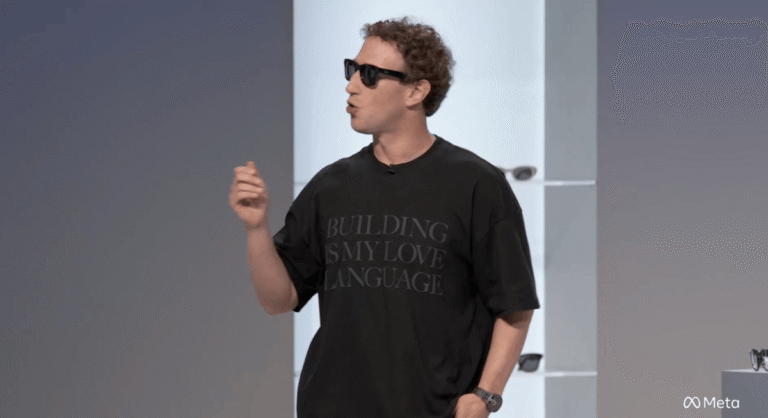
Mayer is not alone among AI executives. OpenAI CEO Sam Altman told Jimmy Fallon, “I cannot imagine … figuring out how to raise a newborn without ChatGPT,” and later suggested on X that a “cool use case” of ChatGPT Work would be creating a podcast that “explain[s] your kids’ interests.” Both comments drew public backlash. Meta CEO Mark Zuckerberg has also argued that the average American has fewer than three friends but wants more, and predicted it will become more socially acceptable to outsource emotional needs to AI therapists or romantic partners, noting that virtual reality embodiments of AI avatars are growing more realistic.
The article contrasts these views with a Pew Research Center study finding that 50% of U.S. adults think AI will reduce people’s ability to form meaningful relationships, while only 5% say it will make building these connections easier. The author argues that tech culture prizes efficiency, and while that makes sense for building electric vehicles or computer chips, human relationships are not a product to be shipped with as little capital as possible. Delegating interactions to computers, she writes, surrenders the difficult yet fulfilling experience of being people.