OpenAI Expands Free ChatGPT Access for Scientific Researchers
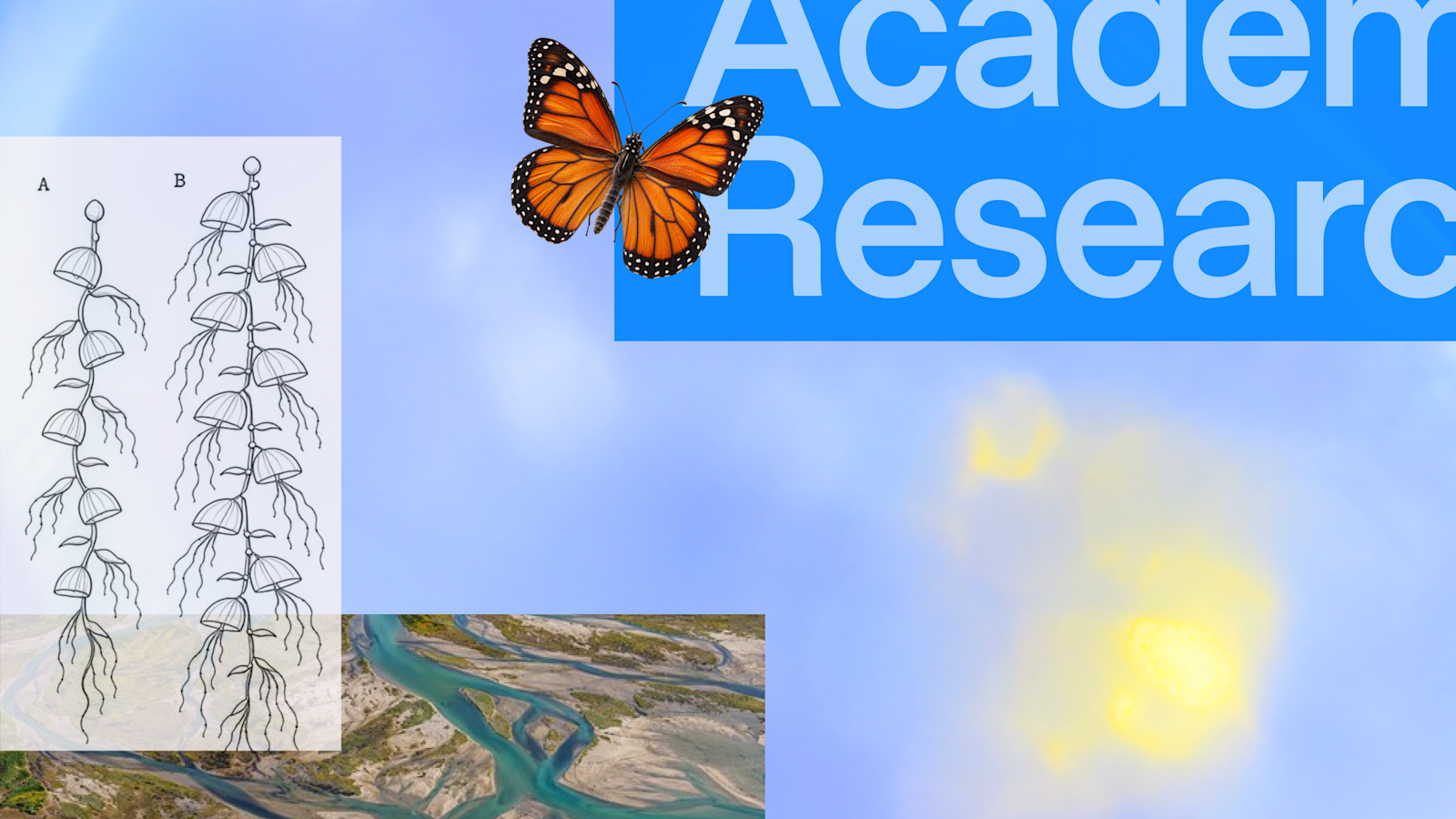
OpenAI is expanding the ChatGPT for Academic Researchers program to reach up to 200,000 researchers worldwide, doubling the goal it announced when the pilot launched in July. Applications for the next round open Monday, November 23, and the program will award 50,000 new grants on a first-come, first-served basis to eligible researchers. Each grant gives the recipient and up to two collaborators free access to ChatGPT Plus. People already on the waitlist who qualify will receive email instructions before applications open.
The program began as a pilot in July, and 20,000 researchers in 33 countries have joined so far. In the new round, OpenAI is moving away from lottery-based selection based on participant feedback, instead providing access to the first 50,000 applications that meet eligibility requirements. The pilot originally gave researchers access to ChatGPT Pro, but usage reviews showed most participants would have stayed within ChatGPT Plus limits. Offering Plus for new grants lets the program support more research teams. Each grant covers the recipient plus two collaborators, supporting up to 150,000 researchers through this round, with the overall goal of 200,000.
OpenAI also published research from its Economic Research team, titled Science at the Frontier: How Scientists Use ChatGPT, based on how more than 1,800 researchers used ChatGPT during the summer pilot. Surveyed participants estimated that producing the same research work at the same quality without AI would have taken nearly twice as long. The article highlights two researchers from the pilot: Shuqi Li at Brigham and Women’s Hospital and Harvard Medical School, who studies new drug targets that could shorten tuberculosis treatment and is exploring whether ChatGPT can link lab and patient data to speed antibiotic development; and Arthur Porto, assistant curator of AI biodiversity at the Florida Museum of Natural History, whose team uses AI tools to turn photographs of museum specimens into searchable databases and created a 3D model of a butterfly with color-changing wings that mimic the real specimen.
Beyond the academic researcher grants, OpenAI describes other ways researchers and institutions can access its tools. ChatGPT Edu lets universities give campus communities access to ChatGPT for research, teaching, and learning, including data analysis tools and administrative controls. For biology researchers, GPT-Rosalind combines specialized biological reasoning with access to scientific tools and databases. The Rosalind Academic Plan provides eligible labs at U.S. universities up to 30 seats at no cost for up to 12 months; access to GPT-Rosalind requires approval through OpenAI’s trusted-access process.
OpenAI also contributed $5 million to a new Simons Foundation initiative aimed at helping mathematicians examine, understand, and build on AI-generated results. The broader program includes training, collaboration with scientific communities, and ongoing feedback gathering to refine applications, capabilities, and support. The stated goal is to give more researchers tools and support for ambitious questions, while continuing to improve the programs as both research needs and OpenAI’s capabilities evolve.