Israel’s VCs see an opening for AI chip challengers as Nvidia reshuffles
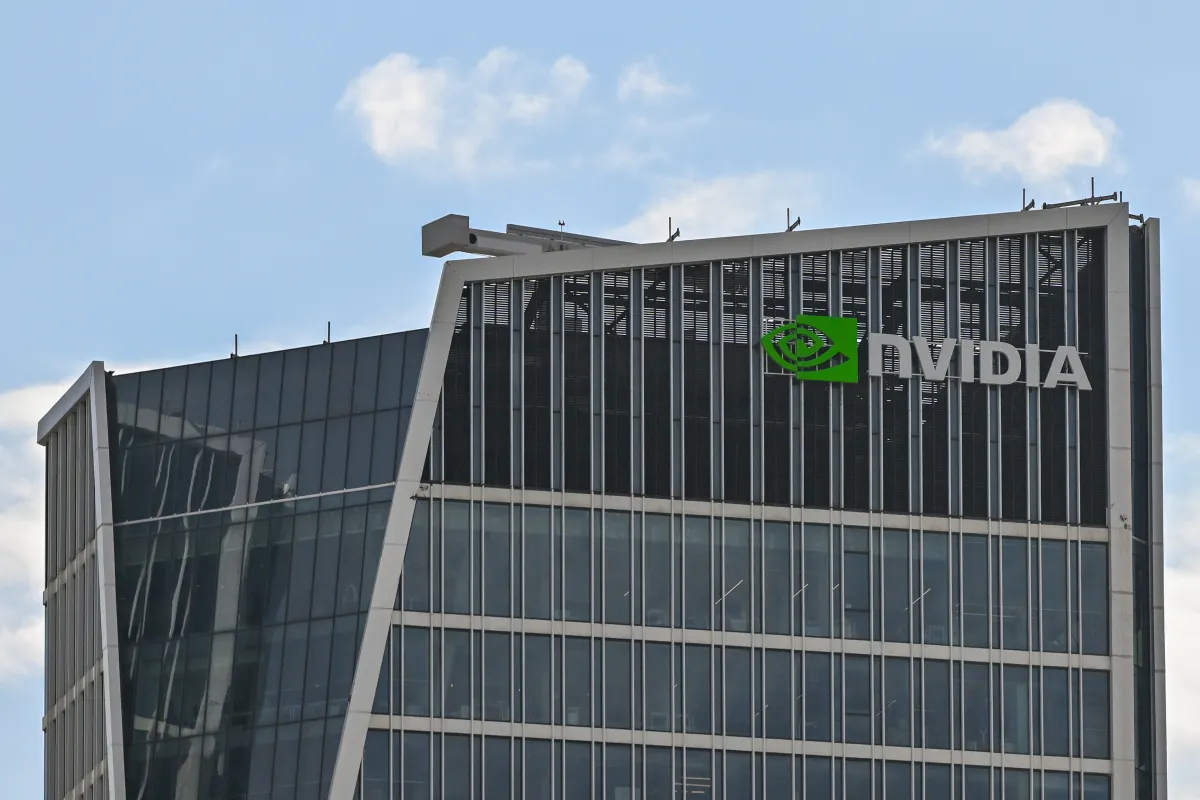
Jensen Huang’s resignation as Nvidia CEO is worrying Israel’s tech community, a country that Huang described in 2023 as Nvidia‘s “second home.” The company’s presence is deeply tied to Israel: it acquired chipmaker Mellanox for $6.9 billion in 2019 and used it as the base for its largest R&D facility outside the U.S., with plans for a multibillion-dollar campus in northern Israel. Nvidia employs about 6,000 people locally, and its spending has boosted Israel’s economic forecasts in recent years. Because Nvidia‘s GPUs are central to training and running LLMs, many Israelis are asking how much of a reshuffle the leadership crisis will cause.
Interim CEO Colette Kress, Nvidia‘s CFO, said in a 2023 interview that she typically started her day “with Israel meetings, and only then continued to California.” Names floated for the permanent role include Israelis Johny Srouji of Apple and Nvidia‘s Michael Kagan, though they are not at the top of the still tentative list. Israeli cybersecurity entrepreneur Pavel Gurvich said Jensen brought Nvidia to Israel with the Mellanox acquisition, so there is strong positive sentiment toward Nvidia and Huang in Israel’s tech community. Beyond the 6,000 local employees, the bigger question is whether Nvidia will remain as committed to Israel with someone else at the helm. Whoever takes over, Huang’s successor will likely have less of a grip on Nvidia and the tech industry as a whole.
Investors do not expect demand for Nvidia‘s products to fade, but they see a possible opening for competitors. Yanai Oron of Vertex Ventures Israel said slower decisions at Nvidia could give competitors an opening, but if uncertainty also slows AI spending, challengers could end up with a bigger share of a smaller opportunity. Adi Levanon of Selah Ventures said Huang’s departure doesn’t dismantle Nvidia‘s technology or ecosystem, but it could give competitors more room to shape what comes next. With companies deploying increasingly demanding AI agents, interest and venture capital are flowing into developers of AI-specific chips and inference software that could rival Nvidia. Levanon cautioned that challengers now have a window to prove a different approach delivers better economics, but a leadership change alone won’t win them the business.