Adobe expands AI tools in Photoshop, Premiere, and Firefly at MAX
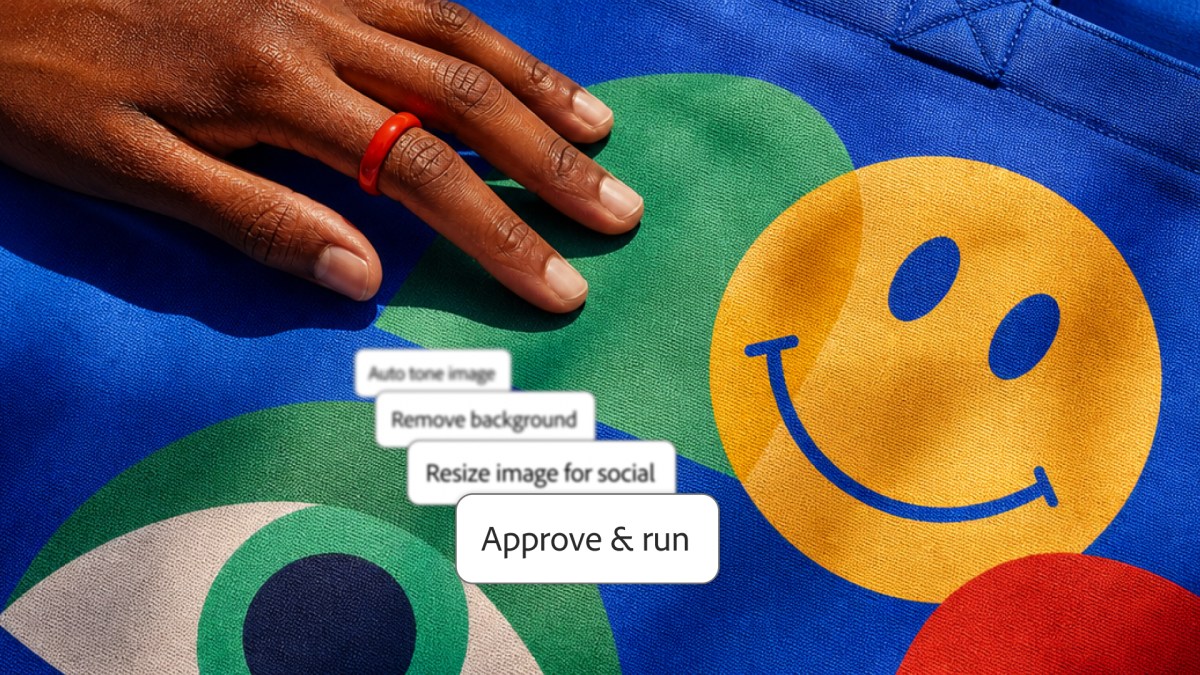
Adobe announced a major set of AI features at its MAX event in Miami, covering Photoshop, Premiere, Illustrator, InDesign, and the Firefly app. The company is releasing a local Model Context Protocol (MCP) that lets other chatbots such as ChatGPT, Claude, or Gemini use Adobe features. Adobe also described a proactive, always-on agent that can get more context about work and be present for any action, plus quick actions like removing a background or generating a video thumbnail.
In Firefly, the new prototyping tool Builder, now in private beta, moves the app into Figma’s territory by letting users create designs to show off ideas. Adobe also unveiled a tool for creating on-brand graphs and an image editing tool that can change part of an image without changing other objects. A new AI-powered video tool in Firefly lets users assemble a video from clips and other elements like images and sound effects.
Across the individual apps, Photoshop is getting a relighting feature and sliders for prompt-based generative styles. Premiere will have a new color grading system for professionals and an object removal feature for video. Lightroom adds a way to correct blinking eyes and a blemish removal tool. Adobe has already added a wide range of AI features to Photoshop, Express, Premiere, and Illustrator, and the MAX announcement continues that trend with a heavy emphasis on generative AI across the suite.
Adobe also works with third-party models from companies like Google, Runway, ElevenLabs, Black Forest Labs, OpenAI, Kling, and ByteDance. Its newer acquisition, Topaz Labs, is releasing two image models: Wonder 4 for upscaling and denoising, and ImageHDR to turn standard images into HDR.
Adobe already has ChatGPT and Claude integrations so that users can access some of its product functions. The new local MCP goes further by exposing more features of Creative Cloud apps to external models. Adobe vice president Deepa Subramaniam told TechCrunch that the company is still figuring out what capabilities to expose and will rely on user feedback: “We are still figuring out where and when and how to draw the line. What we’re putting out there is a number of endpoints and capabilities across Illustrator, Photoshop, After Effects, and Premiere.” Subramaniam said Adobe does not want to limit what the MCP endpoint can expose, and instead wants to support creative workflows however users choose to work.
Last month, Figma co-founder Dylan Field said at an event in India that MCP is not a perfect standard and benefits frontier labs more. Adobe‘s stated approach is to let user feedback determine how much of its apps is exposed through MCP, rather than preemptively limiting the endpoint.