Meta AI Director Rohit Patel Departs to Launch Ndoc
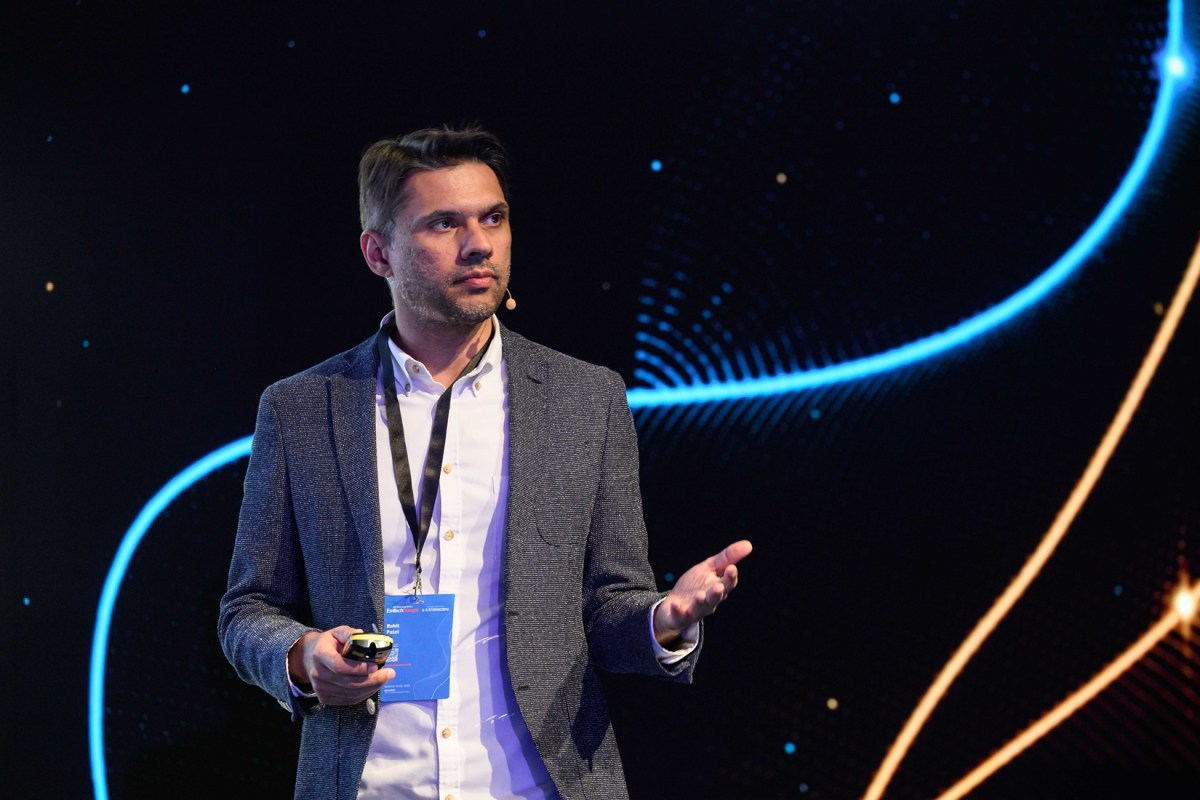
Rohit Patel, a former director at Meta Superintelligence Labs, has left Meta after eight years to launch Ndoc, a startup he positions as an AI-native replacement for Microsoft Office or Google Workspace. TechCrunch exclusively learned of the departure, which follows the exits of Joel Kaplan, Andrew Tulloch, and Emily Dalton Smith from Meta. Patel designed Ndoc as a unified workspace rather than another AI tool layered on existing workflows; his goal is to eliminate the fragmentation of working across Excel, Word, PowerPoint, Tableau, Replit, and “ChatGPT copy-paste” with a shared environment that all colleagues can access, even if they are not signed up.
Ndoc combines three components in one layout. The Stage tab is for presentations of key findings, including slide decks, dashboards, simulations, or mini apps. The Narrative tab holds analyses, numbered citations, generated figures, and the reasoning behind the numbers. The Model tab houses underlying datasets and Python scripts. The structure reflects Patel’s work in reinforcement learning and evaluating whether AI output is trustworthy. He argues that if AI is going to build the spreadsheets and slide decks companies use to make decisions, someone must be able to check its work. Users can inspect the Python scripts behind a document or ask the AI chat to explain what a script does and where a formula lives. Patel says, “There’s nothing hidden behind the curtain here.”
In practice, users can upload a dataset, ask Ndoc to perform an analysis, and write a narrative about the findings. They can add document-specific context including audience, tone, and memory; the system maintains memory across the person, document, team, and company. Ndoc is built and fine-tuned with a mixture of open-source models, and Patel says that because the platform was developed from scratch, it costs considerably less to run than alternatives built on frontier AI models. He notes that early trial users were more excited about seeing their end-to-end work in one place than about cost.
Patel’s larger ambition is to reinvent the file. Documents can be exported as a single “.ndoc.html” file openable in any browser, and he plans to open source the format so other developers can build interoperable apps without being locked into Ndoc the way users have been locked into Microsoft or Google. The desire to move quickly on an open format was part of his reason for leaving Meta, where he says agreeing on such a format would require hundreds of people and opinions. “Humans can only move at human pace, whereas…I can move at the pace of what AI can do.”
The bet is large for a founder with a team of three and no funding. OpenAI, Anthropic, Meta, SpaceXAI, and Google all offer enterprise AI tools that connect to Google Workspace and Microsoft 365, and OpenAI recently launched Space, a shared workspace inside ChatGPT. Patel acknowledges Space could be a threat but says the labs largely have the wrong idea: “Companies are basically attaching AI to spreadsheets and it fills your cells for you… This is like if you just figured out electricity, and then you decided the best use case is to put lights on my bulls that till my soil. No. Get a tractor.” The article notes that AI labs bring models to where people already work because changing habits and replacing entire workflows is hard. Patel says he built connectors so customers can import existing data from the tools they already use.
Patel says his bar is not to release anything he doesn’t love using, and he keeps “a graveyard of tools” that did not meet that bar. He also did not want to take money until there was proof people love the product. As of Tuesday, Ndoc is conducting an enterprise pilot and opening an alpha version to a limited number of customers from the wait list; it is free to sign up, but customers will pay for usage and tokens. He hopes to release a beta in coming weeks with a full launch next year. He prioritizes execution speed over a perfect plan: “Execution is extremely cheap…so go execute on a suboptimal plan and worry about it later.”