inDrive, Pony.ai, and Nvidia plan Kazakhstan robotaxi tests in 2027
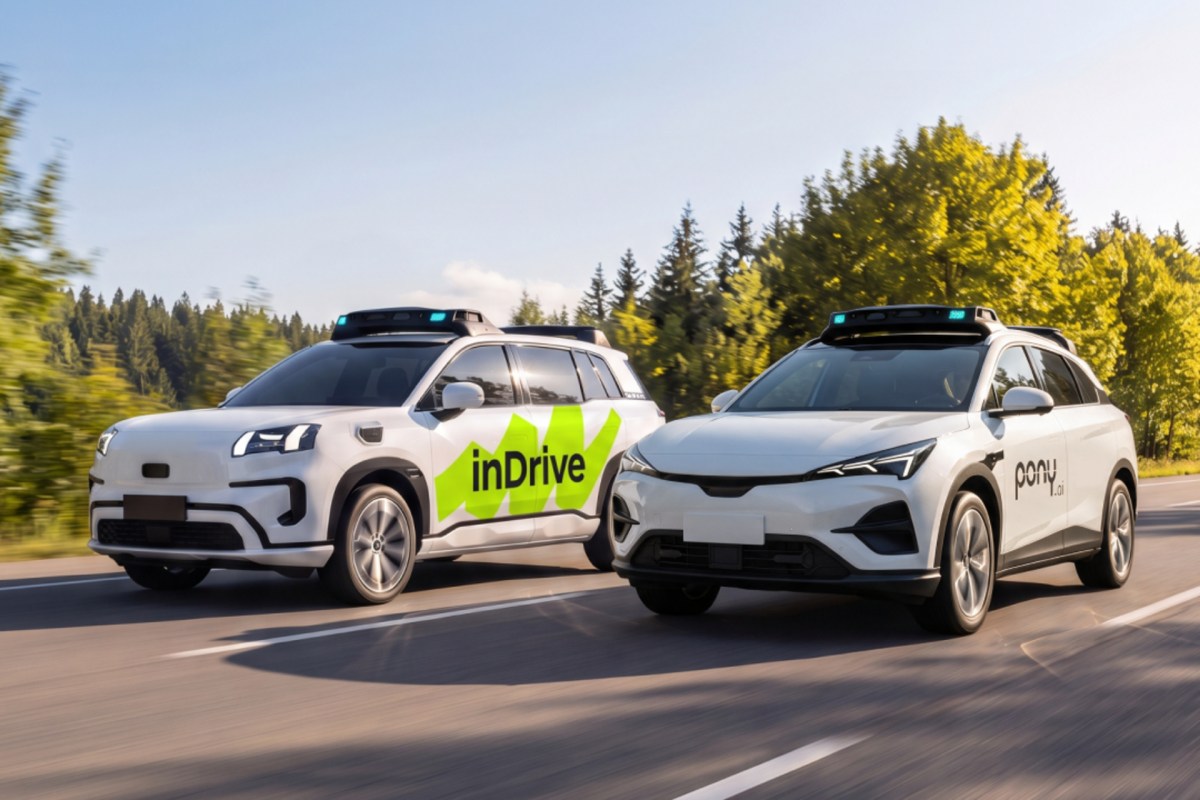
Ride-hailing company inDrive is teaming up with Chinese autonomous driving firm Pony.ai and Nvidia to test robotaxis in Kazakhstan. The companies signed a memorandum of understanding on Friday to explore bringing Pony.ai robotaxis to inDrive’s platform, with tests expected to begin in Astana in the first half of 2027. inDrive CTO Yuri Misnik told TechCrunch the initial tests will include a safety operator, with fully driverless rides as the eventual goal. Under the proposal, Pony.ai would provide its Gen-7 robotaxis, inDrive would offer them through its ride-hailing app and operate them in Kazakhstan, and Nvidia would supply AI technology including the Hyperion platform and Halos safety system.
The deal reflects growing interest in self-driving technology beyond the U.S. and China. Uber earlier this month announced plans to test Pony.ai robotaxis in London and has started supervised autonomous rides with Wayve, while inDrive is looking to apply its affordable-rides focus to autonomous ride-hailing. Misnik described the approach as capital-light, saying inDrive works with partners in different markets and combines their expertise with its own. Nvidia said Hyperion could cut robotaxi development costs by offering a ready-made foundation of sensors and computing, and it also offers the Alpamayo model and tools for synthetic data and testing. Ali Kani, Nvidia’s VP of automotive, said savings are especially relevant in emerging markets where ride-hailing is already relatively affordable. The announcement came as Nvidia CEO Jensen Huang made his first visit to Kazakhstan on Friday.
For Pony.ai, Kazakhstan adds to an expansion beyond China. The company says it aims to have more than 3,500 robotaxis operating in over 20 cities worldwide by the end of 2026, up from 1,975 vehicles at the end of June. Kazakhstan announced plans last month to launch autonomous taxi services in 2027, with trials in Astana and two other cities, and has introduced rules for testing autonomous vehicles on certain public roads. Astana’s harsh winters, with months of snow and ice in a city of about 1.7 million, could make it a challenging test ground. inDrive founder and CEO Arsen Tomsky said success in Astana could offer insights for expanding autonomous mobility to other locations with similar challenges.
Kazakhstan is not inDrive’s only robotaxi exploration. In December, the company signed a separate agreement with Saudi Arabia’s AI Driver to explore autonomous vehicles powered by Chinese self-driving firm WeRide, starting with Riyadh and targeting a pilot in the first half of 2026, though it is unclear whether testing has begun. Misnik said inDrive is also looking at other markets, with favorable and collaborative regulation a key requirement. inDrive operates in more than 1,200 cities across 47 countries and has expanded into delivery, intercity transportation, and financial services.