Dazzle: Marissa Mayer’s AI Assistant Reads Your Camera Roll
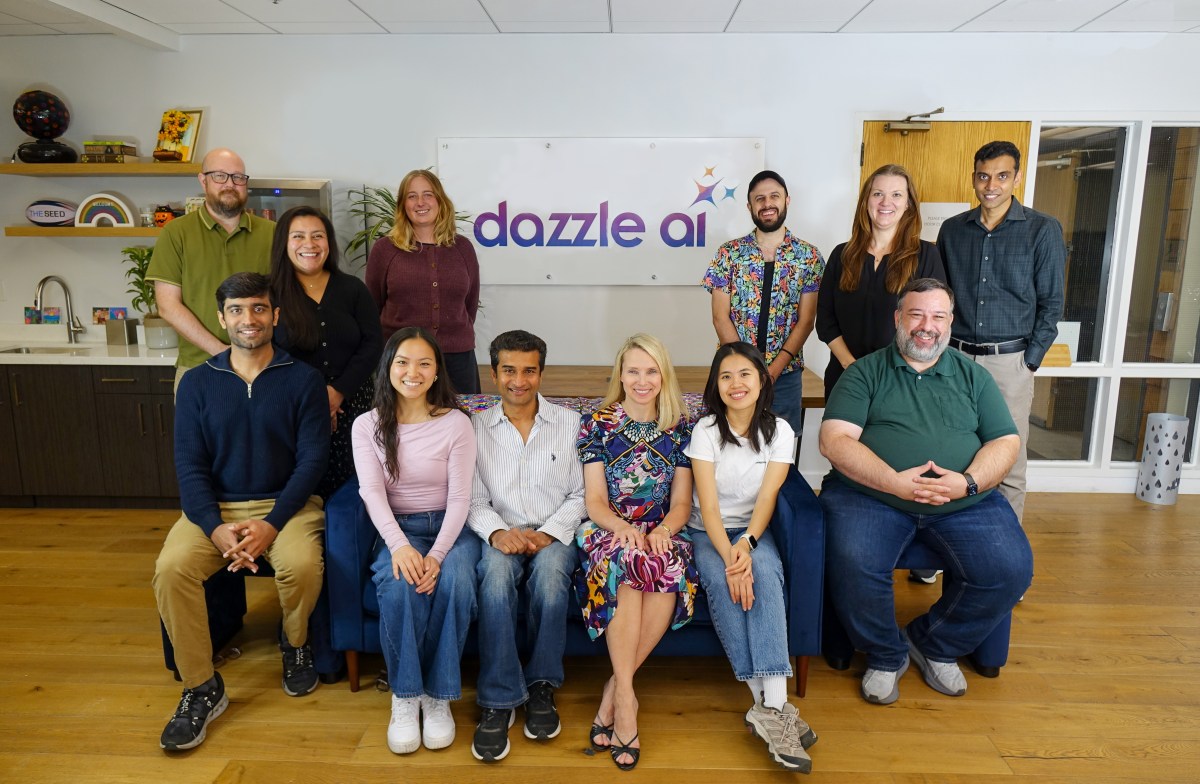
Former Yahoo CEO Marissa Mayer has unveiled Dazzle, a personal AI assistant that raised an $8 million seed round last December. Dazzle stands apart from the recent wave of AI assistants like Meta’s Muse and Instinct by building its understanding of the user from a single source: the camera roll. Instead of drawing context from email, calendars, or shopping histories, Dazzle analyzes the photos stored on a user’s phone to infer hobbies, interests, food and style preferences, how they spend time, and with whom. “I think that photos are an underappreciated source of information,” Mayer said. “If a photo is worth a thousand words, your camera roll is worth millions.”
Mayer’s previous startup, Sunshine, launched an AI-powered photo-sharing tool called Shine in 2024. That product was widely criticized for its outdated design, failed to attract widespread usage, and eventually shut down, but Mayer says it built “interesting IP” that appears to carry into Dazzle. Users interact with Dazzle through its app or via text, and the assistant splits functionality into two core experiences. For immediate tasks, it scans recent photos to pull details, such as populating a calendar from an event flyer or finding a repair-person after spotting a broken garage door in the camera roll. Second, it mines the photo library to generate personalized ideas for holiday vacations, birthday gifts, and other plans.
In practice, the author of the piece tested Dazzle with vacation recommendations and received suggestions for several Mediterranean spots, likely reflecting past trips to Spain and Greece, plus Sicily, which surprised her since she visited four years ago. Mayer herself uses Dazzle to brainstorm family outings; the assistant deduced that her family loves escape rooms and suggested multiple SF Bay Area locations she had not heard of. The testing also revealed blind spots. For example, Dazzle failed to remember that the author’s daughter already knows how to roller skate when asked whether to buy her a pair for her next birthday. Still, the author appreciated ideas like a local pottery studio and a bioluminescent kayak tour in Tomales Bay, noting that the product feels more personal than generic assistants that only know your calendar.
Mayer contends that privacy concerns around products like Instinct and Muse may make users more comfortable handing over photo libraries rather than granting access to sensitive data such as emails and messages. She emphasized that Dazzle prioritizes privacy and discards any personal information the AI flags as sensitive. While Dazzle is not yet as broadly useful as other offerings, the author concludes it offers a glimpse of a future in which AI can do more than execute tasks and actually knows who you are.