AI Defensibility: When OpenAI Ships Your Roadmap
The article frames a central strategic risk for AI founders: the most direct competitive threat is now the foundation model platform itself.
With every major release from OpenAI, Anthropic, or Google, capabilities that once differentiated a startup can become a built-in feature. The question shifts from “Can we build it?
” to “Can we still own it?
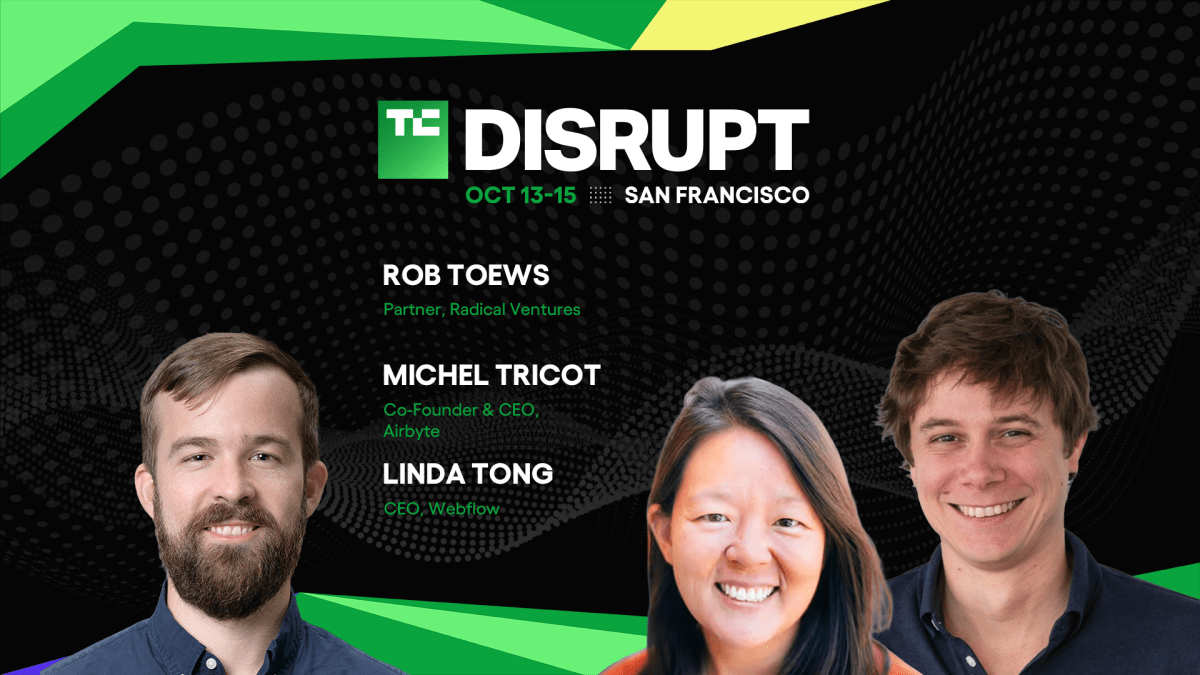
” The piece promotes a Builders Stage session at TechCrunch Disrupt 2026 (October 13–15, Moscone West, San Francisco) titled “What Happens When OpenAI Ships Your Roadmap,” featuring Michel Tricot (CEO and Co-founder of Airbyte), Linda Tong (CEO of Webflow), and Rob Toews (Partner at Radical Ventures).
Each speaker brings a different perspective: Tricot on building durable value in data integration infrastructure (Airbyte reports 7,000+ customers, including 18% of the Fortune 500), Tong on evolving a visual development platform through major SaaS shifts, and Toews on evaluating whether an AI startup will still matter three years out.
The core argument is that next-generation AI winners will not be defined by the smartest models but by what models cannot easily replace: proprietary data, deeply embedded workflows, customer relationships, domain expertise, and trust.
The session will explore where defensibility still exists, how to respond when AI giants move into adjacent markets, and what separates companies that become features from those that remain businesses.
The article also notes that foundation models will inevitably continue to improve, and founders must decide how to differentiate beyond reacting to each new model release.
It includes a call to register with savings up to $200 before September 25, but the substantive content is about strategic positioning in the AI ecosystem.