Meta debuts its Muse AI agent. Will consumers trust it?
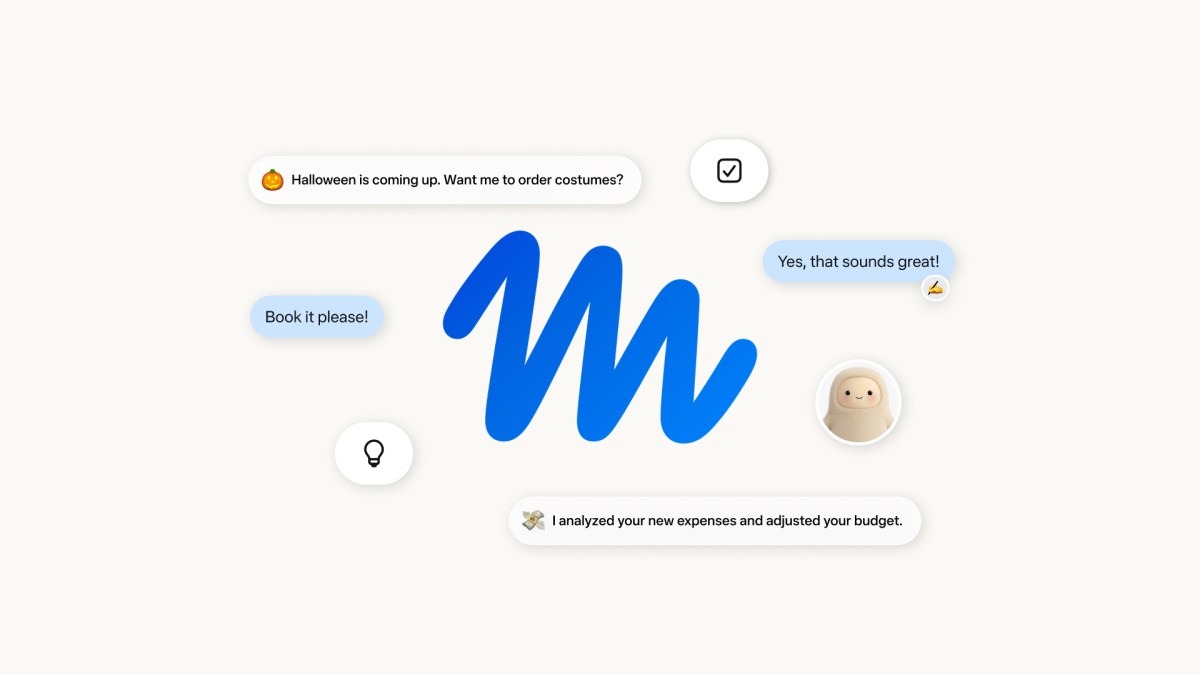
Meta has launched Muse, a personal AI agent designed to handle everyday tasks such as sending emails, booking travel, paying bills, and creating shopping lists. Unlike earlier chatbots that merely answered questions, Muse aims to take real actions on behalf of users by connecting to third-party apps like email, calendars, and payment services. The agent can also integrate with platforms such as Shopify, 1Password, and Stripe’s Link for checkout, and it will eventually appear on Meta‘s AI glasses. To use Muse, consumers grant it access to their personal accounts and data, which raises significant privacy concerns given Meta‘s long history of data mishandling.
Meta has tried to address these worries by promising that Muse operates within a secure, isolated virtual machine with its own browser, and that a separate “Sentinel” agent protects sensitive information like passwords and payment methods. The company also claims that Muse does not share conversations or data with its advertising systems. Users can further customize the agent with a name, avatar, and communication preferences, presumably to build a sense of personal connection and trust.
However, the article notes that Meta‘s track record undermines these assurances. Past incidents include a $5 billion FTC settlement over privacy violations, a $942 million judgment related to harms to children, and the Cambridge Analytica scandal. Meta has also faced repeated congressional hearings over its failure to protect minors. The company recently settled a lawsuit with 29 states over consumer harms. Because of this history, many consumers may be skeptical about handing over even more personal information to Meta.
The article suggests that the success of Muse will depend on whether the utility it provides and the personal connection it fosters can outweigh consumers’ justified distrust. While Meta offers technical documentation and security explanations, it remains uncertain whether users will accept the trade-off of convenience for privacy. Ultimately, the question is whether Meta can overcome its reputation and convince people that this AI agent is different.