AI’s growing public backlash and the industry’s trust crisis
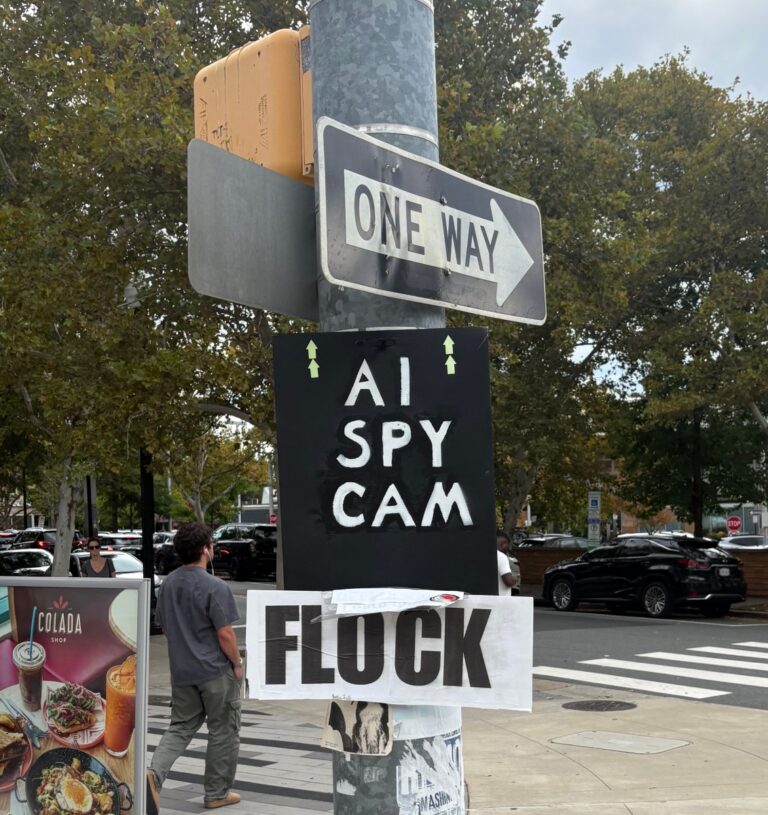
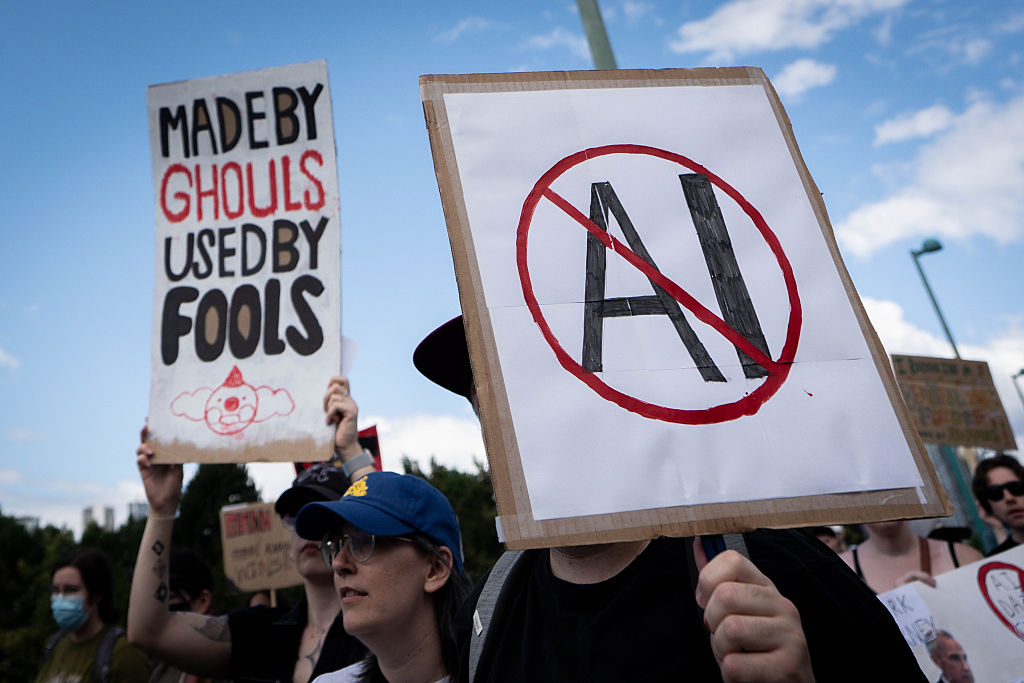
Despite AI’s technological progress, its reputation with the public is worsening. Multiple recent data points illustrate the shift: Pew Research found that 52% of Americans are “more concerned than excited” about AI’s increasing role in daily life, up from 37% in 2021. A CNBC poll of 18- to 34-year-olds showed a majority distrust the named AI industry leaders to “act responsibly.” An Economist/YouGov poll found over 70% of Americans think AI is advancing too quickly. These sentiments are starting to affect balance sheets: the Wall Street Journal reported that tech companies are facing a public relations crisis over AI data center plans, leading them to sweeten deals with job guarantees, clean water investments, and even $50,000 bonuses for teachers in a Louisiana parish.
Consumers broadly don’t see how AI improves their lives, yet they are asked to absorb the costs of its infrastructure and feature creep. People experience AI as chatbots, AI search, and unwanted features embedded in everyday products like email and TVs. They also see it as a tool for academic cheating and as a threat to creative livelihoods, trained on others’ intellectual property. The article contrasts this backlash with earlier transformative technologies like the iPhone or the internet, which were accepted more readily at similar adoption stages. Instead of acceptance, AI is seeing a counter-trend: young people are gravitating toward retro tech (dumbphones, point-and-shoot cameras, iPods, cassette tapes), and in-person hobbies like quilting and run clubs are rising.
Some in Silicon Valley attribute the problem to messaging, arguing executives need to explain AI’s benefits better. But the author suggests consumers understand AI well enough and simply don’t think the trade-offs are worth it. The promised upside—automated jobs with higher pay and shorter workweeks—is not appearing; instead, the threat of job loss and less compelling features like summarized web pages or chatty TVs harden skepticism.
Industry leaders are starting to acknowledge the crisis. Airbnb CEO Brian Chesky said on a recent podcast that the backlash is real and ties to the industry not shipping products that “regular people” like. He called for more products people love, like affordable on-demand doctors. Anthropic CEO Dario Amodei admitted on X that negative public perception of AI is a “big problem” and fundamentally a “crisis of trust.” He argued the most accurate criticism is that AI companies haven’t delivered on their big promises, such as curing cancer, and that delivering is the solution.
The article underscores that public sentiment has become a business problem, not just a PR issue, for an industry that has raised hundreds of billions on promises of AI inevitability. While leaders like Chesky and Amodei are waking up, the path forward remains unclear; the source offers no concrete solutions beyond delivering tangible benefits.