Three AI pioneers make the case for staying open at Ai4
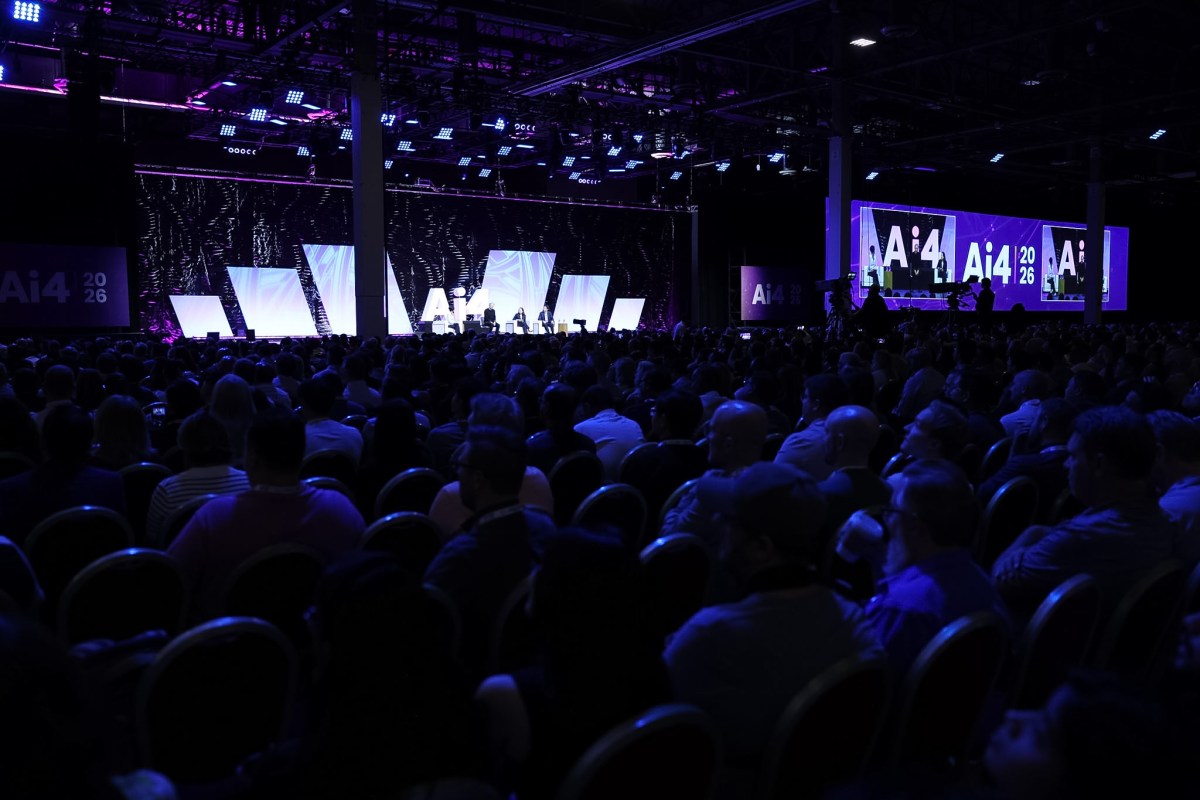
At the Ai4 conference in Las Vegas, three leading AI researchers—Geoffrey Hinton, Fei-Fei Li, and Andrew Ng—made the case for openness in AI despite rising safety concerns.
The core tension: open-weight models enable wide access but also make it easy to repurpose foundation models for harmful uses like cyber attacks.
Andrew Ng argued that gatekeeping by a few major companies would slow innovation and limit access, calling for open models and competitive providers.
Geoffrey Hinton drew a sharp distinction between open-source software (code shared for inspection) and open-weight models (parameters released), noting the latter makes it cheap to fine-tune foundation models for malicious intent.
However, he acknowledged that battle is already lost—open-weight models are permanent.
Fei-Fei Li rejected the binary framing of open versus closed, using nuclear physics as an example where papers are open but materials regulated.
She argued different layers of the AI ecosystem can operate at different levels of openness, citing the Human Genome Project as a model.
Ng raised a geopolitical angle: if China produces cheaper open-weight models, they could gain soft power in developing regions.
All three agreed on the need for regulation to steer AI toward benefiting people, but disagreed on strategy.
Hinton stressed that regulating AI development is necessary and that decisions cannot be left to individual tech billionaires.