Pangram raises $9M for AI text and image detection as internet slop grows
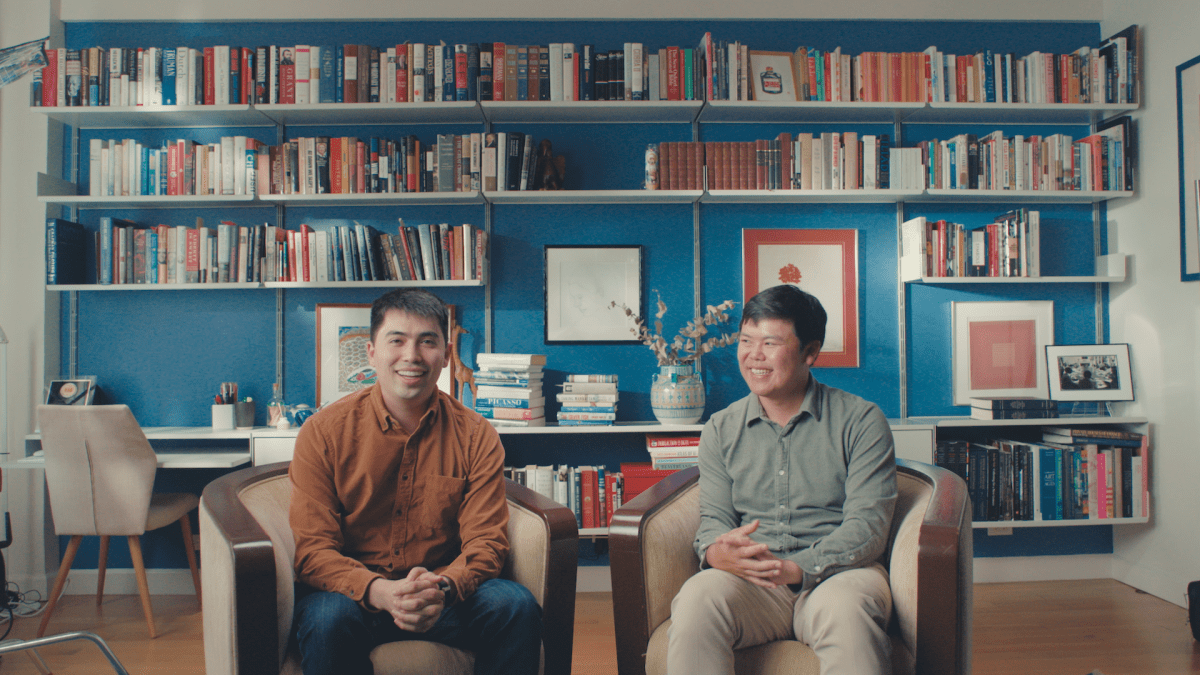
Pangram, an AI detection startup based in New York, raised $9 million in a round led by Menlo Ventures, with participation from Haystack, ScOp, Script Capital, and Cadenza. The company simultaneously launched its next-generation AI text detection model, Pangram 4, and a research preview of an AI image detection model, Pangram Image. Founded two years ago by Stanford AI and machine learning graduates Max Spero and Bradley Emi, Pangram aims to address the flood of AI-generated content—what Spero calls “LLM-powered Russian disinformation campaigns and UAE-influenced campaigns on Twitter”—by building tools that distinguish human-generated text and images from AI-generated ones.
The core of Pangram‘s detection system is a large machine learning model trained on tens of millions of known human documents. For each document, the startup creates a “synthetic mirror” written by a frontier LLM, replicating the topic, length, and tone. This allows the model to learn stylistic differences and consistent choices made by AI, rather than relying on metadata, watermarks, or hidden signals. Pangram claims the new text model is over 99% accurate at detecting AI-assisted writing, mixed human-AI content, and text that has passed through AI humanizer programs. The image detector, planned for wider release in the coming weeks, works on pixel-level distributions to distinguish real photos from AI-generated images, including detecting AI-generated imagery embedded within real-world photos.
Pangram‘s emergence targets growing institutional demand for AI detection. The open-access archive arXiv recently introduced a policy that can ban authors for one year if submissions show evidence of unreviewed LLM output. Use cases range from academic integrity to journalism to social media transparency. Pangram offers a $20-per-month subscription, a Chrome extension that labels posts in real time on X, LinkedIn, Substack, Reddit, and Medium, and an API. Substack has integrated Pangram‘s technology to indicate which authors use AI in their newsletters. Other API customers include Quora, schools, publishers, and recruiters.
TechCrunch’s testing found the text detection model impressive but not perfect. It easily flagged entirely AI-generated articles from ChatGPT and Claude, and was not fooled by attempts to prompt the models to evade detection. However, Pangram flagged some sentences that the tester completely rewrote as AI-written, and when ChatGPT and Claude polished a human-written article, Pangram gave it a 13% AI-assisted score—likely close to accurate—but flagged some human-written sentences as AI-assisted. In one test using a personal newsletter, Pangram largely distinguished human-written text from AI-written continuation. The image detector correctly identified AI-generated imagery in both photorealism and cartoonish formats, and the heat map showed detection of AI images embedded in real-world photos, though it once incorrectly labeled a photo of an AI-generated image as human content. Spero estimates roughly one in 10,000 human documents are falsely flagged as AI.