OpenAI is shutting down Atlas, but its AI browser ambitions are still growing
OpenAI is sunsetting Atlas, the AI-powered browser it launched in October. The company is instead redistributing Atlas‘s agentic browsing features across ChatGPT‘s desktop app and a new Google Chrome extension. The move follows a directive from OpenAI‘s CEO of applications Fidji Simo to cut back on “side quests,” which also led to the shutdown of the AI video-generation tool Sora. Over the past year, the AI industry saw attempts to challenge Chrome’s dominance—Perplexity’s Comet, The Browser Company’s Dia, and AI features in Chrome and Edge. After experimenting, OpenAI concluded that the browser is a feature, not the destination, and is folding browser-like agent capabilities into existing platforms.
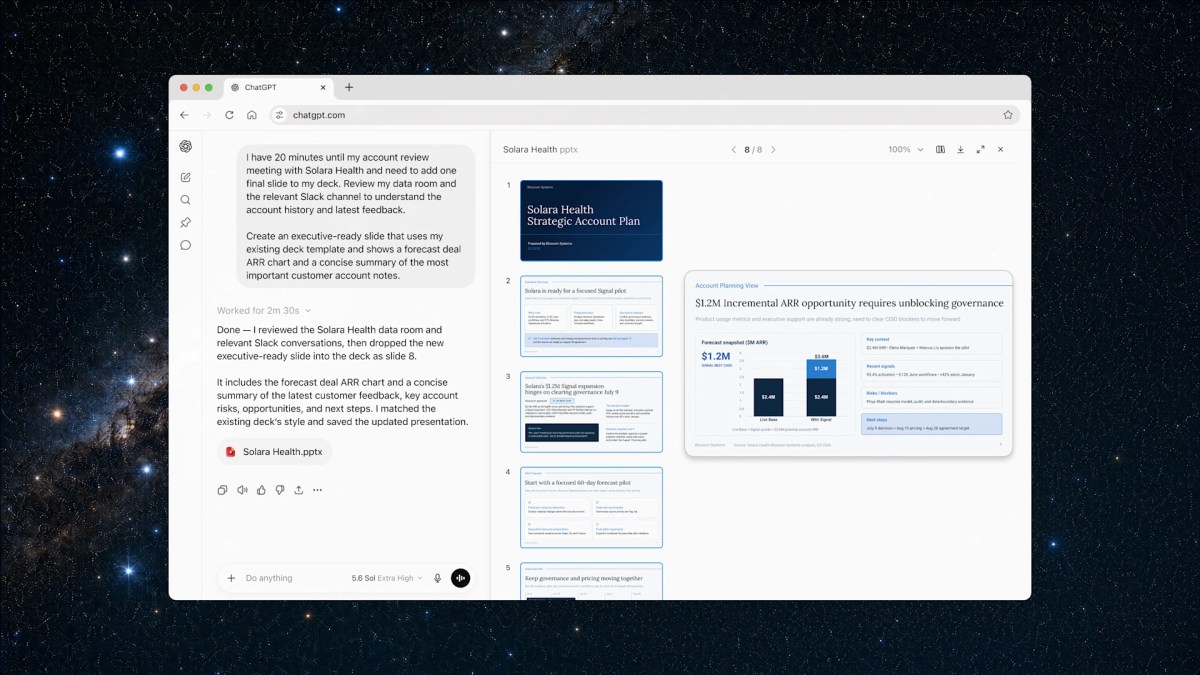
The Chrome extension gives ChatGPT access to the current page context, allowing users to ask questions, summarize content, or start longer tasks directly from the browser. It directly competes with Google’s Gemini Side Panel. The ChatGPT desktop app is also gaining a more robust browser that lets users browse websites, log in, download files, and interact with web pages without leaving the app. A separate cloud browser running on OpenAI‘s servers provides a remote environment where AI agents can complete tasks on behalf of the user. Together, these updates transform ChatGPT into a continuous workspace spanning Chrome, the desktop app, and an AI agent.