OpenAI denies Apple trade secret lawsuit over hardware talent poaching
Apple has filed a 41-page trade secret lawsuit against OpenAI, alleging that former Apple employees, including Chief Hardware Officer Tang Tan, orchestrated a coordinated effort to take confidential information and intellectual property to the AI lab. Tan spent 24 years at Apple, most recently as vice president of product design for the iPhone and Apple Watch. The tension here is not just a standard employee poaching dispute — it reflects a deeper competitive threat as OpenAI reportedly builds its own hardware device, potentially a screen-free smart speaker, that could directly compete with Apple‘s product lines.
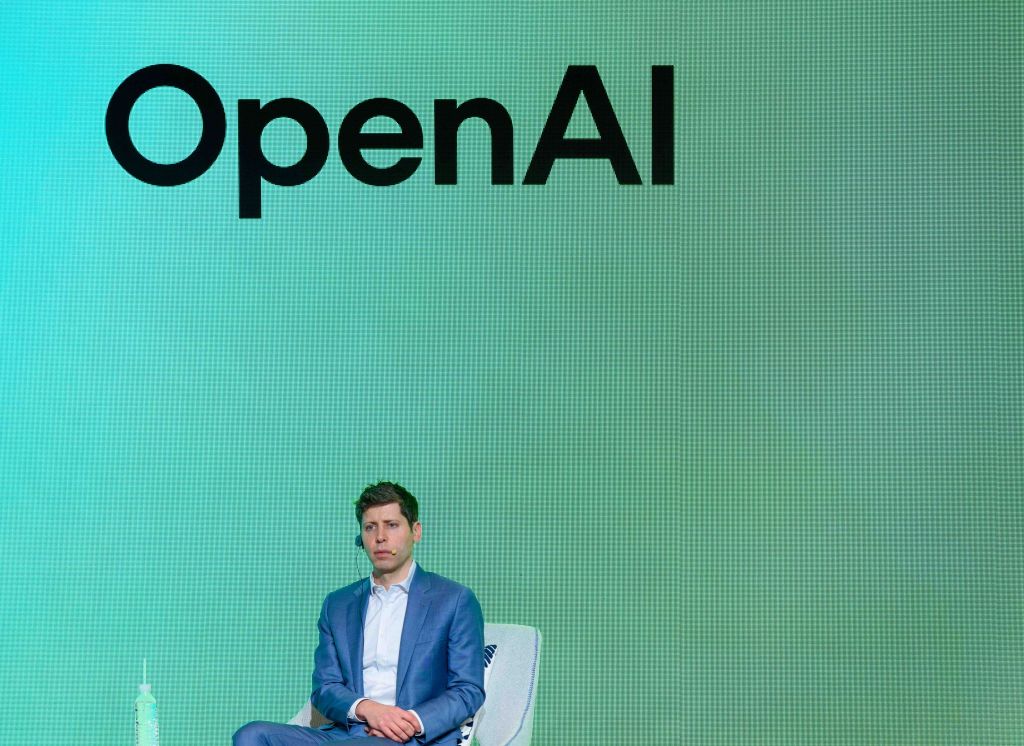
OpenAI pushed back this week with a statement calling the complaint meritless and asserting it has no interest in other companies’ trade secrets. The company had previously responded to the lawsuit with a similar declaration about focusing on its own technology. The timing is notable because OpenAI‘s recent acquisition of Jony Ive’s startup io, combined with Bloomberg’s report on the smart speaker project, gives Apple concrete reasons to believe the AI lab is moving into hardware territory. OpenAI‘s official defense simultaneously denies wrongdoing while confirming that its employees come from Apple and that it values freedom of movement for workers.
For builders and technical operators, this case illustrates how talent mobility intersects with IP risk when a startup transitions into a hardware company. The legal outcome may set precedents for how aggressively companies can pursue former employees who join high-profile AI labs, especially when both parties are developing adjacent products. The real takeaway is structural: as AI companies increasingly build their own devices, they will inevitably hire from legacy hardware giants, and the friction between hiring freedom and trade secret protection is only going to intensify.