OpenAI unveils full-duplex voice models GPT-Live-1 and GPT-Live-1 mini
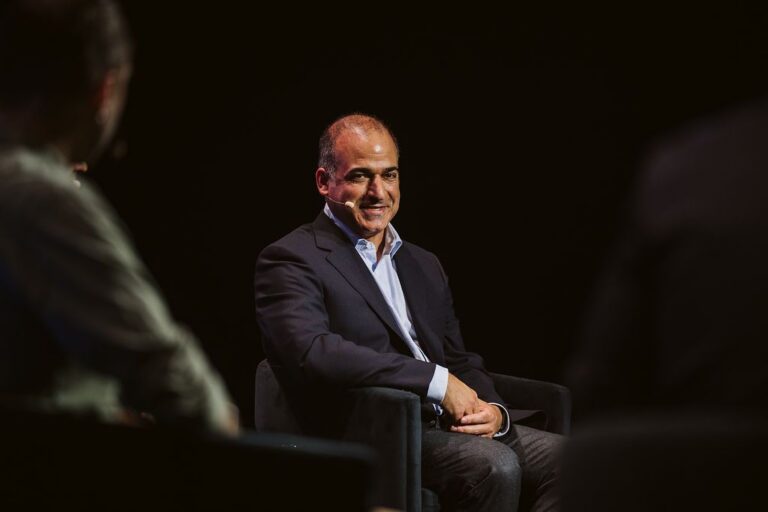
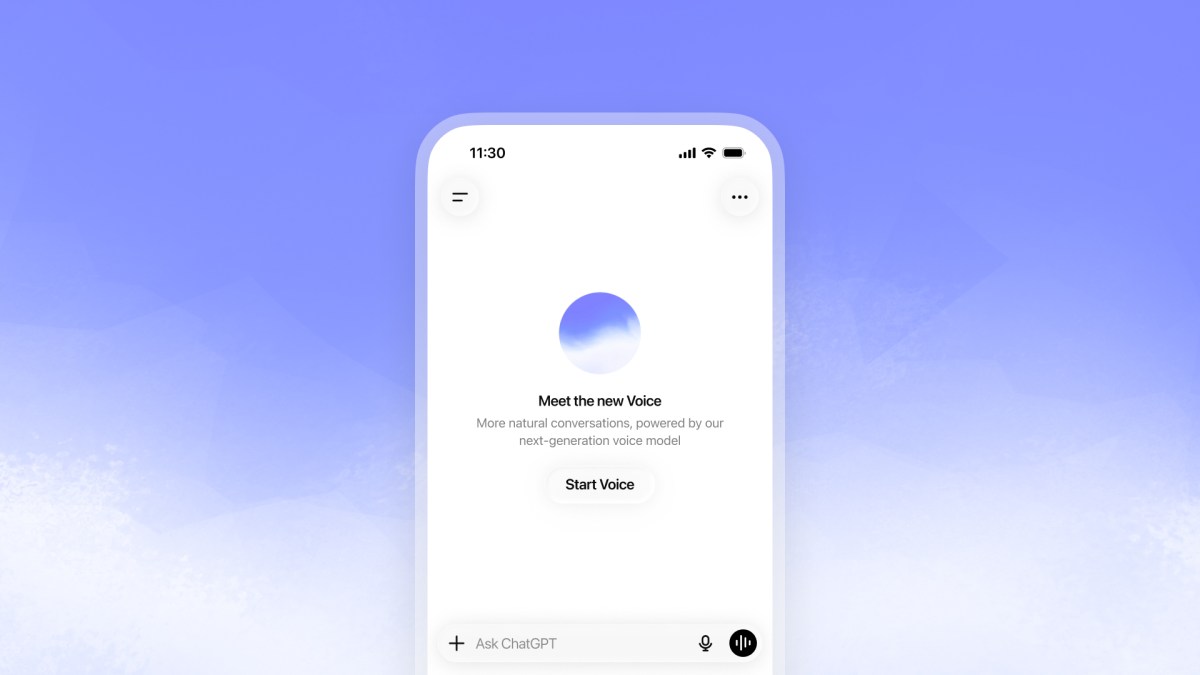
OpenAI is shipping GPT-Live-1 and GPT-Live-1 mini, new full-duplex voice models that can speak and listen simultaneously, replacing the old three-pipeline system (speech-to-text, LLM, text-to-speech). The core tension OpenAI is solving is the awkwardness of turn-taking in voice interfaces: previous models would interrupt users or fail to absorb long pauses. By keeping the model live and listening, the system can handle natural interruptions, stay silent to absorb context, and even relay queries to GPT-5.5 for search, reasoning, or agentic tasks mid-conversation. The default ChatGPT Voice experience is switching to GPT-Live-1 mini, while paid users get the larger model. Atty Eleti, the product lead, claims he routinely holds 30- to 40-minute walking conversations with the feature.
Technically, the shift from a component pipeline to a single full-duplex model is the decisive architectural move. OpenAI also decouples the voice channel from the reasoning channel: the voice model handles real-time interaction, but sends heavy cognitive work to backend text models. The new voice mode can present visual information and is optimized for longer, hands-free sessions. Competitors like Monogram (with $40 million in seed funding from DST and Lux Capital) are betting on visual responses, while Apple and Amazon push more expressive assistants. OpenAI explicitly distances this from an AI companion play, emphasizing safeguards around teen-appropriate responses and self-harm resources. However, the Hindi live translation demo still sounded heavily American-accented and bookish, and the company declined to name which languages are fully supported.
The takeaway for builders is that full-duplex voice is now a production-grade interface, but it comes with steep expectations for latency, accent fidelity, and language coverage. OpenAI‘s bet is that voice will become the primary interface for complex, long-running agentic work, not just Q&A. If you’re building an interactive agent, the architectural pattern here matters: separate the real-time voice model from the reasoning backbone. Also, the demo quality gap on non-English languages is a reminder that shipping a natural-sounding voice UI globally is still hard infrastructure work, not just a model finetune.